 CookEase
Simple Cooking Methods for Everyday Meals
Educational overview of basic cooking techniques and their effects on food preparation
Introduction to Simple Cooking Techniques
Cooking methods have been developed over centuries as ways to transform raw ingredients into prepared meals. Different techniques apply heat in various ways, which can affect the texture, appearance, and nutritional composition of food.
This educational resource provides an overview of common cooking methods used in everyday meal preparation. Understanding these basic techniques helps explain how food changes during the cooking process.
The information presented here is for educational purposes and describes general principles of cooking methods without providing specific dietary recommendations or personalized advice.
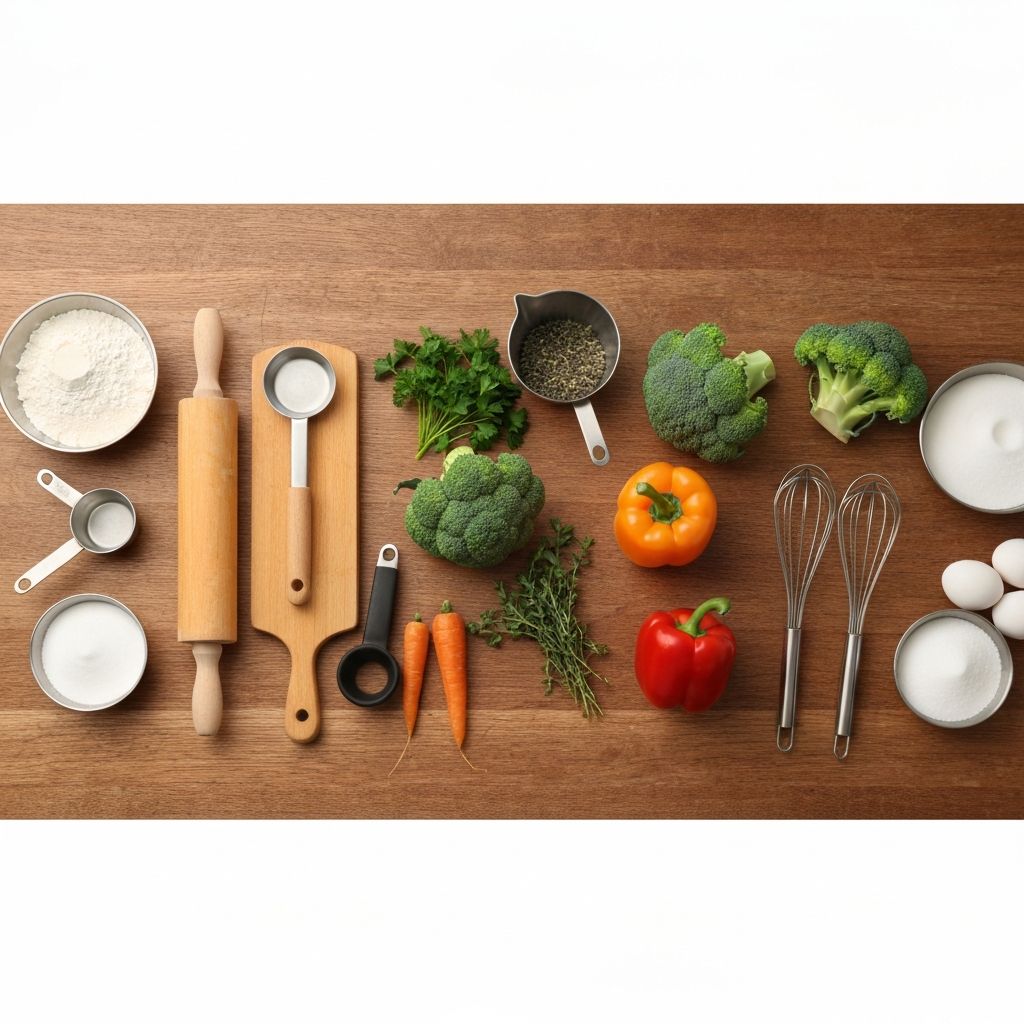
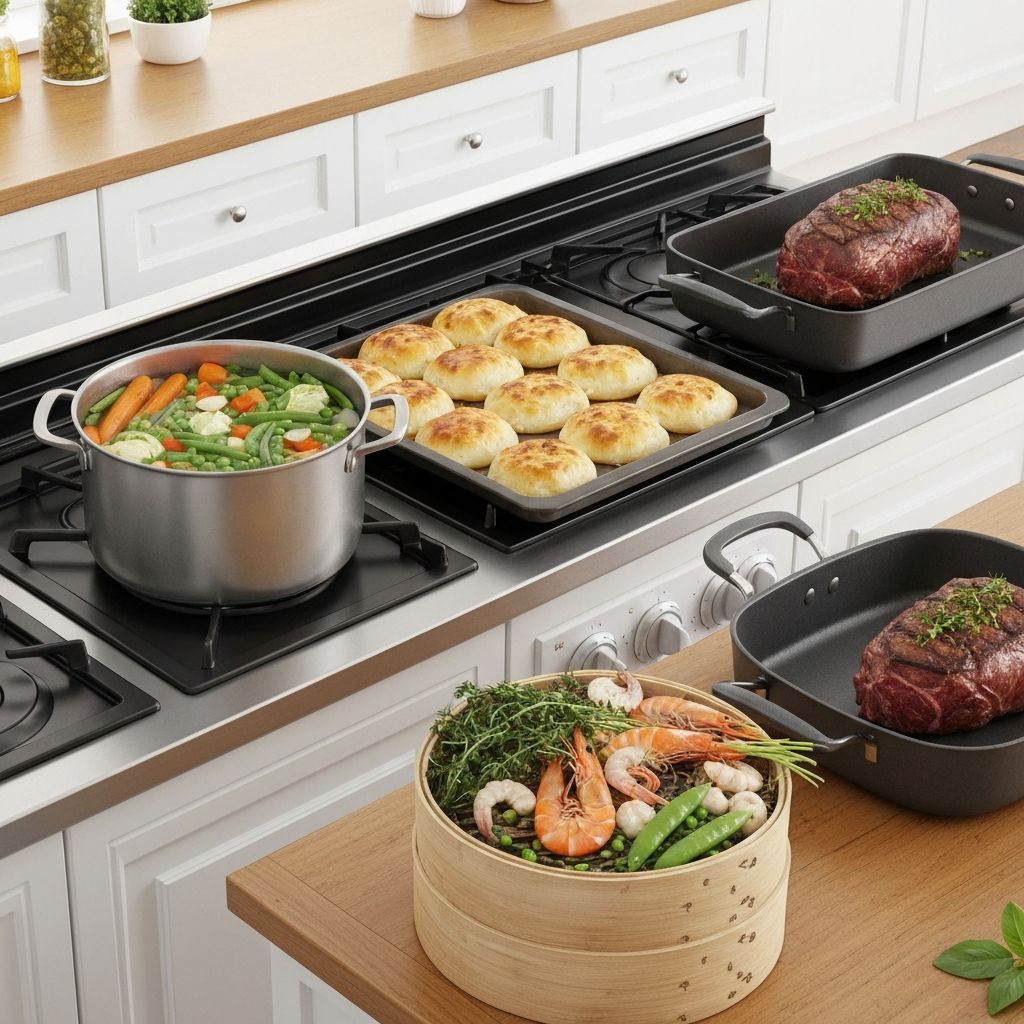
Basic Cooking Methods
Boiling
Boiling involves cooking food in water or liquid at high temperatures. This method is commonly used for vegetables, pasta, and grains. The heat transfers through the liquid to cook the food.
Steaming
Steaming uses water vapor to cook food. The food is placed above boiling water, and the steam provides gentle heat. This method is often used for vegetables and certain types of fish.
Baking
Baking uses dry heat in an oven to cook food. This method is commonly used for bread, vegetables, and various dishes. The surrounding air in the oven transfers heat to the food.
Roasting
Roasting is similar to baking but typically involves higher temperatures and is often used for larger pieces of food. This method can create different textures on the surface of food.
Effects of Cooking Methods on Nutrition
Different cooking methods can affect the nutritional composition of food in various ways. Heat exposure, cooking duration, and the presence of water or fat can influence how nutrients are retained or changed during cooking.
Some nutrients are sensitive to heat, while others may become more available through cooking. Water-based methods may result in some nutrients dissolving into the cooking liquid. Fat-based methods may affect the absorption of certain vitamins.
The extent of these effects varies depending on the specific food, cooking method, temperature, and duration. This information describes general principles and does not constitute nutritional advice for specific dietary needs.
Incorporating Simple Techniques in Daily Meals
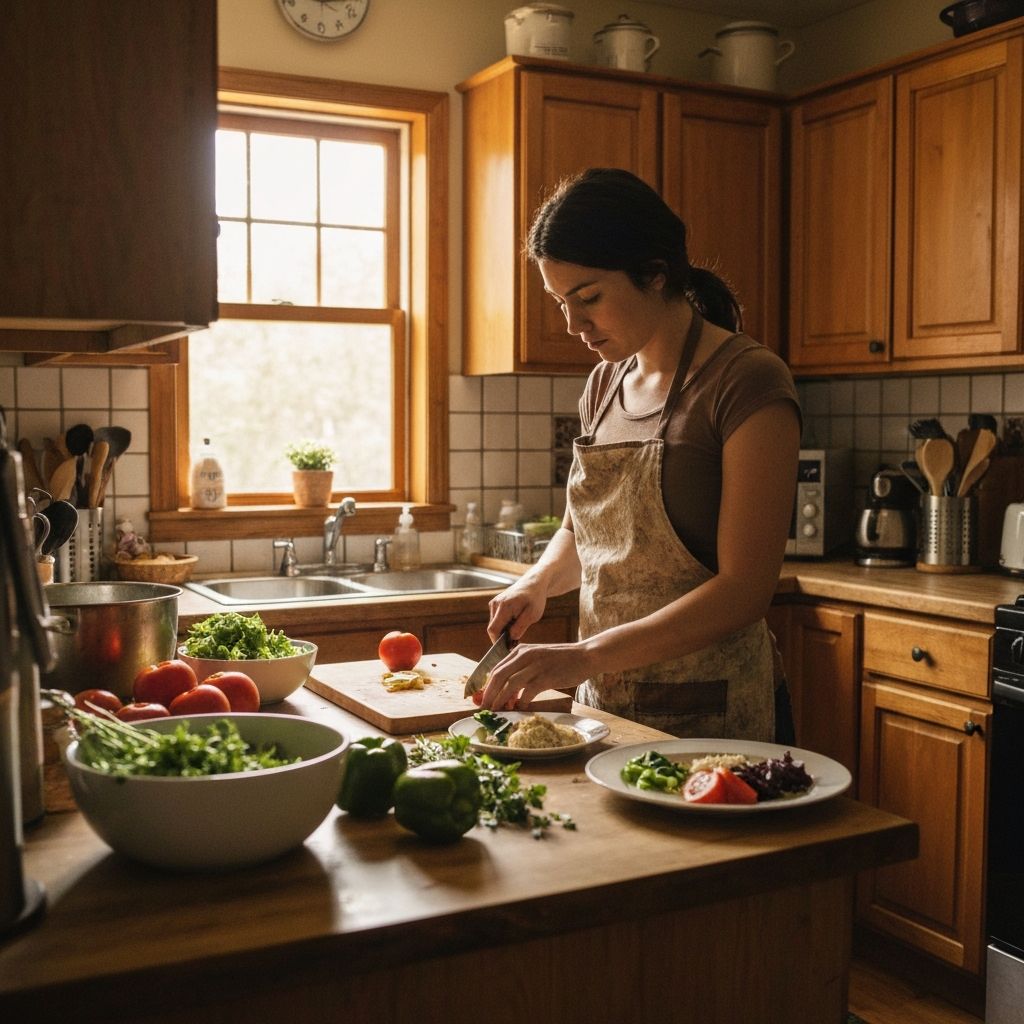
Simple cooking methods are used widely in everyday meal preparation across different cultures and households. Each method offers different characteristics that may be suited to various types of food and cooking situations.
People choose cooking methods based on multiple factors including available equipment, time considerations, personal preferences, and the type of food being prepared. There is considerable variation in how individuals apply these techniques in their daily routines.
This educational content describes how these methods work and how they are commonly used. It does not prescribe specific cooking approaches or suggest that any particular method is superior for individual needs.
Educational Articles
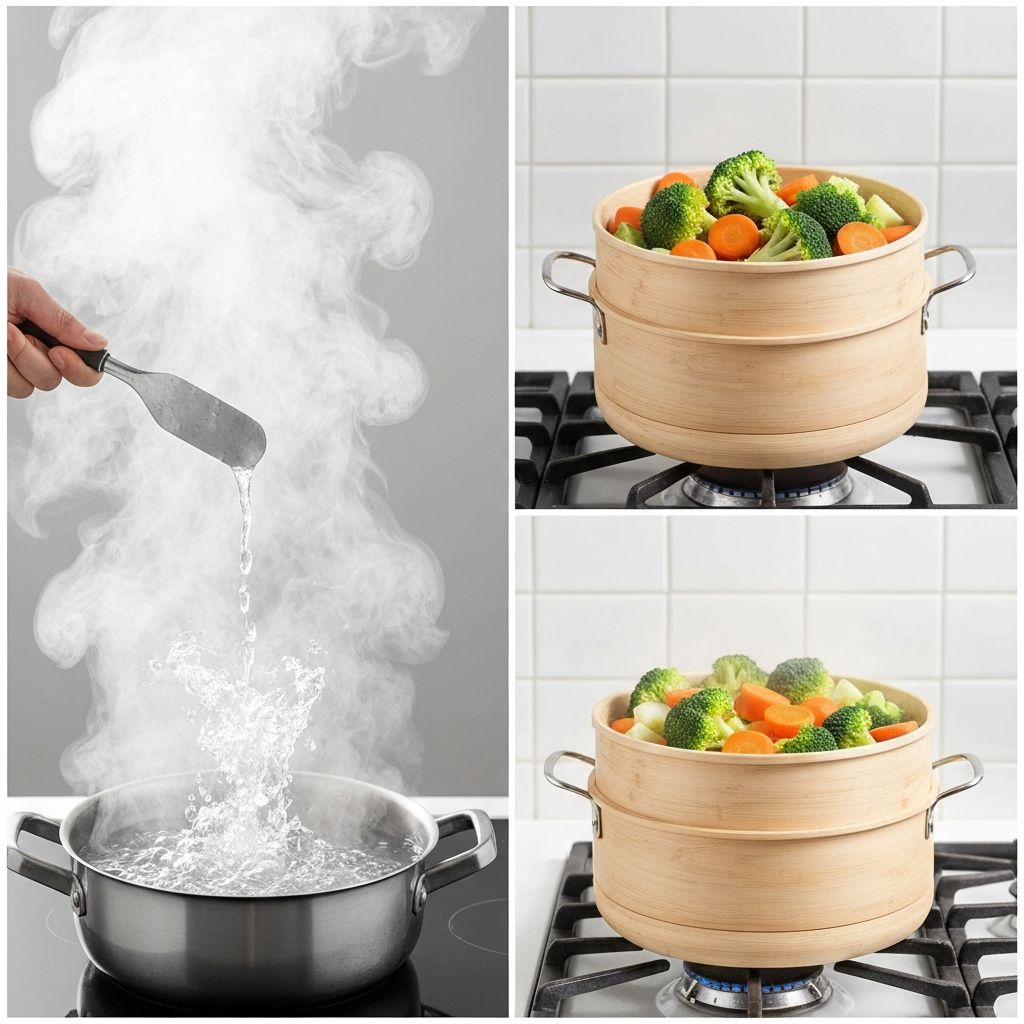
Understanding Boiling and Steaming
An educational exploration of water-based cooking methods and how they work.
Learn more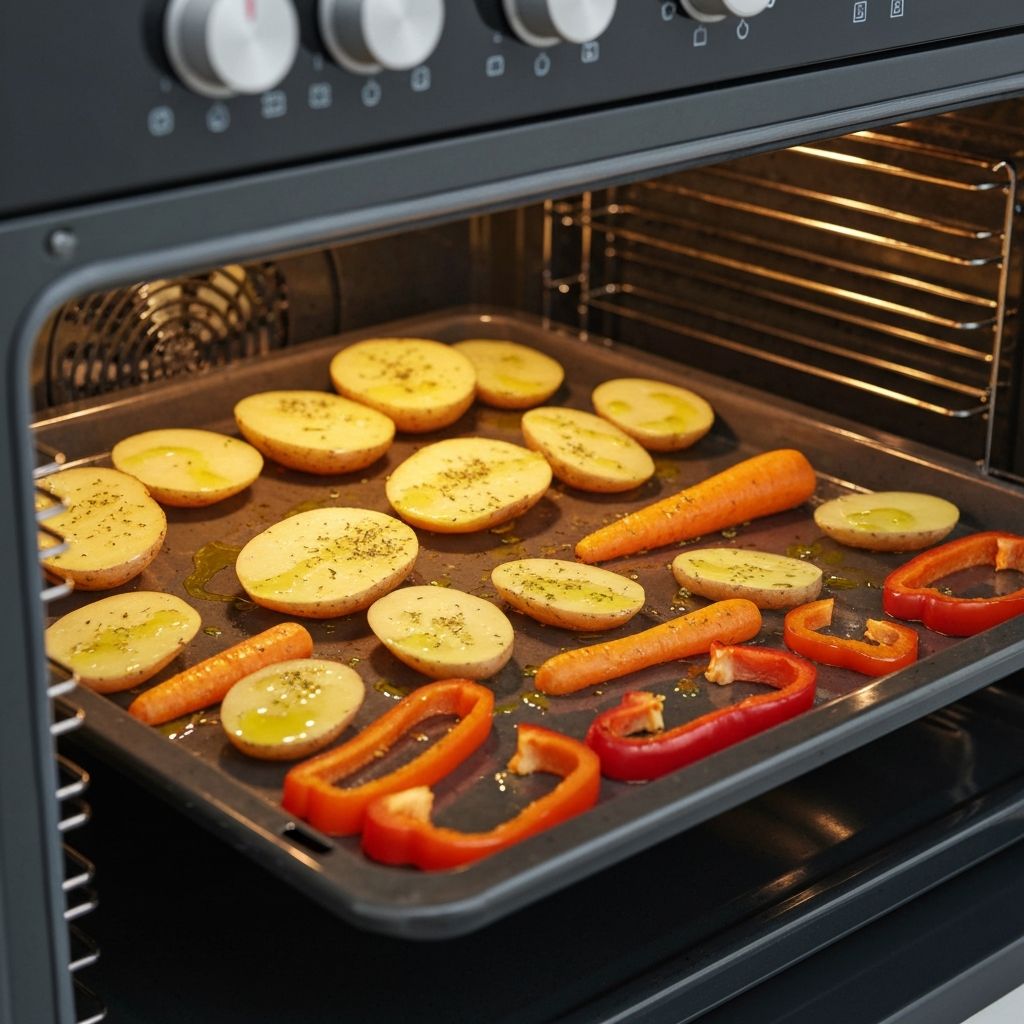
Baking and Roasting Explained
Educational overview of dry heat cooking methods and their characteristics.
Learn more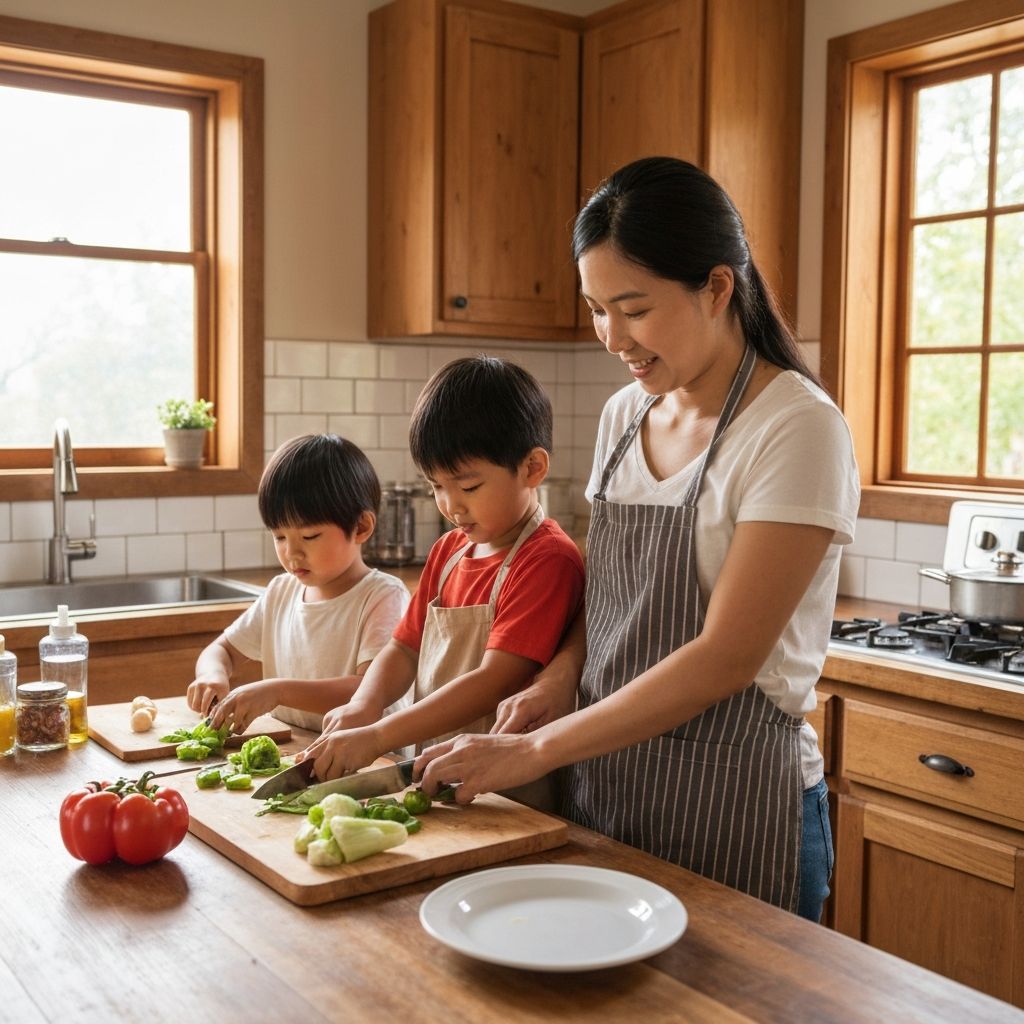
Simple Cooking in Daily Life
How basic cooking techniques are incorporated into everyday meal preparation.
Learn moreFrequently Asked Questions
What is the purpose of this website?
This website provides educational information about simple cooking methods. It explains basic cooking techniques and their characteristics for informational purposes only.
Does this site provide dietary advice?
No. This website offers educational content about cooking methods only. It does not provide personalized dietary recommendations, meal plans, or nutrition advice.
Are these cooking methods suitable for everyone?
This site describes general cooking techniques without making recommendations for individual use. People have diverse needs, preferences, and circumstances that affect cooking choices.
Can I use this information to change my diet?
This website provides educational information only. Decisions about dietary changes should be based on individual circumstances, preferences, and appropriate consultation with qualified professionals.
Educational Content Notice
Educational content only. No medical services. No promises of outcomes.
The information on this website is provided for educational purposes to explain basic cooking methods. This content does not constitute medical advice, nutritional counseling, or personalized recommendations. It does not replace consultation with qualified professionals regarding dietary needs or health concerns.
Cooking methods and their effects vary based on numerous factors. Individual results and experiences with food preparation differ widely. This website makes no claims about specific outcomes from using any cooking method.
Explore Further
Continue learning about simple cooking methods and their applications in everyday meal preparation.
Read in detail