 CookEase
Simple Cooking in Daily Life
February 2026 | Educational Article
Cooking Methods in Everyday Contexts
Simple cooking techniques like boiling, steaming, baking, and roasting are used regularly in households around the world. These methods form the foundation of everyday meal preparation across diverse cultures and settings. This article provides an educational overview of how these techniques fit into daily life.
Daily Meal Preparation
In typical household settings, people use various cooking methods to prepare their meals. The choice of method often depends on factors such as available time, equipment, the type of food being prepared, and personal habits developed over time.
Simple techniques are often preferred in daily cooking because they require minimal specialized equipment and can be applied to a wide range of foods. Many people develop routines that incorporate these methods based on their individual circumstances and preferences.
Time Considerations
Different cooking methods require different amounts of time. Boiling and steaming can be relatively quick for many vegetables. Baking and roasting typically take longer but may require less active attention during the cooking process.
People balance these time factors with their daily schedules and priorities. Some individuals prefer methods that allow them to attend to other tasks while food cooks, while others might choose quicker methods for certain situations.
Equipment and Accessibility
The cooking methods discussed on this website generally require basic kitchen equipment that is commonly available. A pot for boiling, a steamer basket, and an oven for baking or roasting are standard in many kitchens, though availability varies.
The accessibility of these methods is one reason they remain widely used. While more complex cooking techniques exist, simple methods can be performed with minimal tools and do not require extensive training or specialized skills.
Adapting to Available Resources
People adapt cooking methods based on what is available to them. Someone without an oven might focus more on stovetop methods like boiling and steaming. Others with different equipment might make different choices. This flexibility is characteristic of simple cooking techniques.
Cultural and Regional Variations
The use of cooking methods varies across cultures and regions. Some cuisines emphasize steaming, as is common in certain Asian cooking traditions. Others might focus more on roasting or baking. These differences reflect diverse culinary histories and available resources.
Understanding that cooking practices vary widely helps contextualize these methods. There is no single correct way to apply these techniques, and usage patterns differ based on cultural background, regional traditions, and individual household practices.
Learning and Skill Development
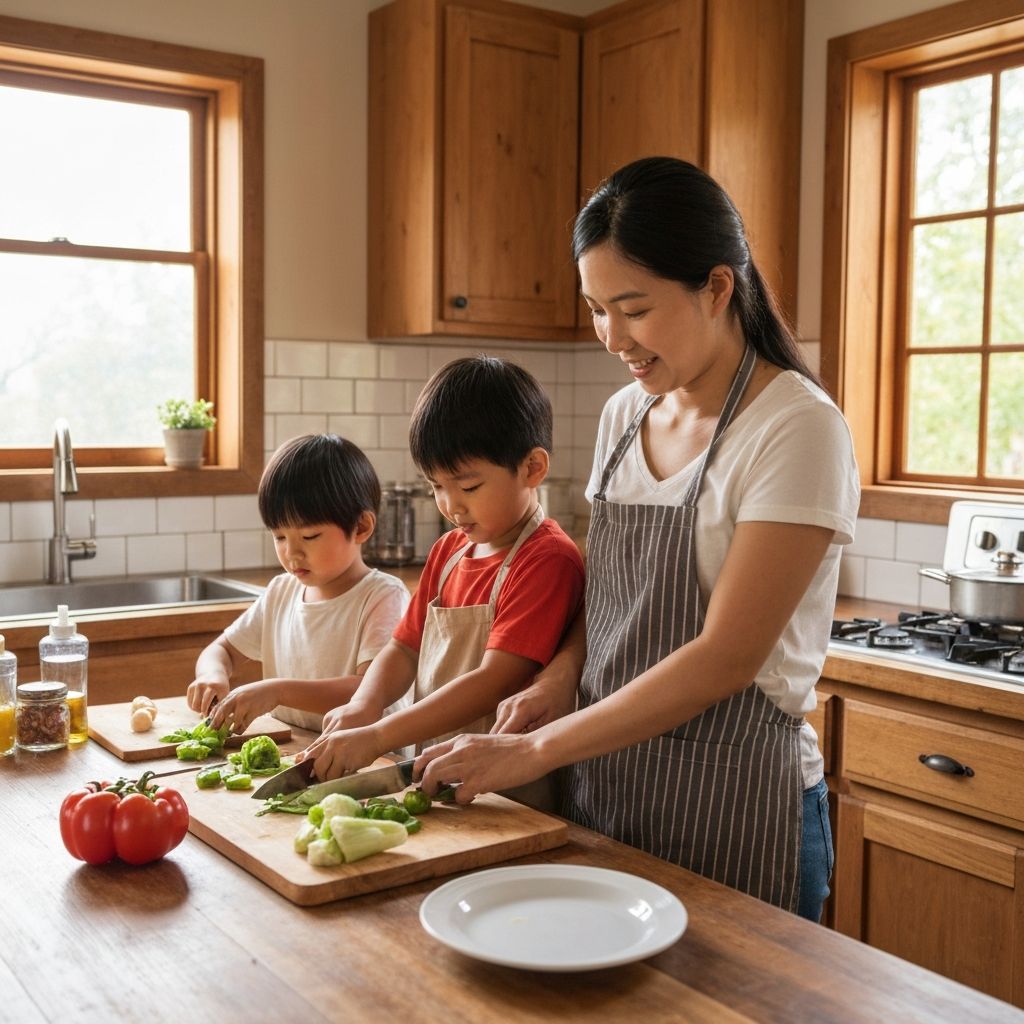
Many people learn cooking methods through observation, practice, and experience. Skills with these techniques often develop gradually over time. Someone new to cooking might start with simpler applications and expand their use of different methods as they gain experience.
The learning process varies among individuals. Some people learn from family members, others from written instructions, and some through experimentation. There are multiple pathways to becoming familiar with these cooking methods.
Combining Methods
In daily cooking, people often use multiple methods for a single meal. Vegetables might be steamed while grains are boiled. Someone might bake one component of a meal while preparing another part using a different technique.
This combination approach allows for variety in texture and preparation. It also enables the simultaneous preparation of different foods, which can be practical for creating complete meals.
Individual Preferences and Habits
Over time, individuals develop preferences for certain cooking methods based on their experiences. Some people might prefer steamed vegetables for their texture, while others might choose roasting. These preferences are personal and can change over time.
Habits also form around cooking methods. Someone who frequently uses a particular technique might become more comfortable with it, while methods used less often might feel less familiar. These patterns are normal aspects of how people interact with cooking in their daily routines.
Practical Applications
In practical terms, simple cooking methods serve various roles in meal preparation. They can be used for main dishes, side dishes, or components of more complex meals. The versatility of these techniques contributes to their widespread use.
People apply these methods in ways that suit their specific situations. There is considerable variation in how individuals integrate cooking techniques into their daily lives, reflecting the diversity of needs, preferences, and circumstances that exist among different people.
Observations on Everyday Cooking
Observing how cooking methods function in daily life reveals their practical nature. These techniques have persisted across time and cultures because they provide effective ways to prepare food using basic equipment and principles.
The simplicity of these methods does not diminish their importance. Much of daily meal preparation relies on these fundamental techniques, making them central to how many people interact with food in their everyday lives.
Educational Context and Limitations
This article provides educational information about how simple cooking methods are used in daily life. The content describes general patterns and observations for informational purposes only.
This information does not constitute advice about how individuals should prepare their meals or structure their daily routines. Personal circumstances, preferences, cultures, and needs vary enormously. Each person makes their own decisions about food preparation based on their unique situation.
The content does not suggest that any particular approach to daily cooking is superior or appropriate for specific individuals. It simply describes how these methods function in everyday contexts from an educational perspective.
Educational content only. No medical services. No promises of outcomes.